

Bridging the Gap Between Theory and Practice with VR Technology
Imagine stepping into a classroom where you can explore the surface of Mars in a geology lesson or perform complex surgical procedures in a medical course without any risk. This is not a scene from a science fiction novel but the emerging reality of education enhanced by virtual reality (VR). As VR technology becomes more accessible, educational institutions worldwide are integrating it into their curricula to provide immersive and interactive learning experiences. In this article, we’ll explore how VR is revolutionizing education, with examples of innovative applications and the profound impact it’s having on both teaching and learning.
The Rise of Virtual Reality in Educational Settings
From Novelty to Necessity: The Evolution of VR in Education
Virtual reality started as a futuristic concept, often associated with gaming and entertainment. However, its potential in education has rapidly gained recognition. Early adopters experimented with VR to create engaging lessons, but limitations in technology and cost kept it on the fringes. Today, advancements have made VR more affordable and practical, transforming it from a novelty into a valuable educational tool.
This shift is similar to the adoption of computers in classrooms decades ago. Initially seen as supplementary, they are now indispensable. VR is following a similar trajectory, moving towards becoming a standard component of modern educational environments.
Technological Advancements Fueling Integration
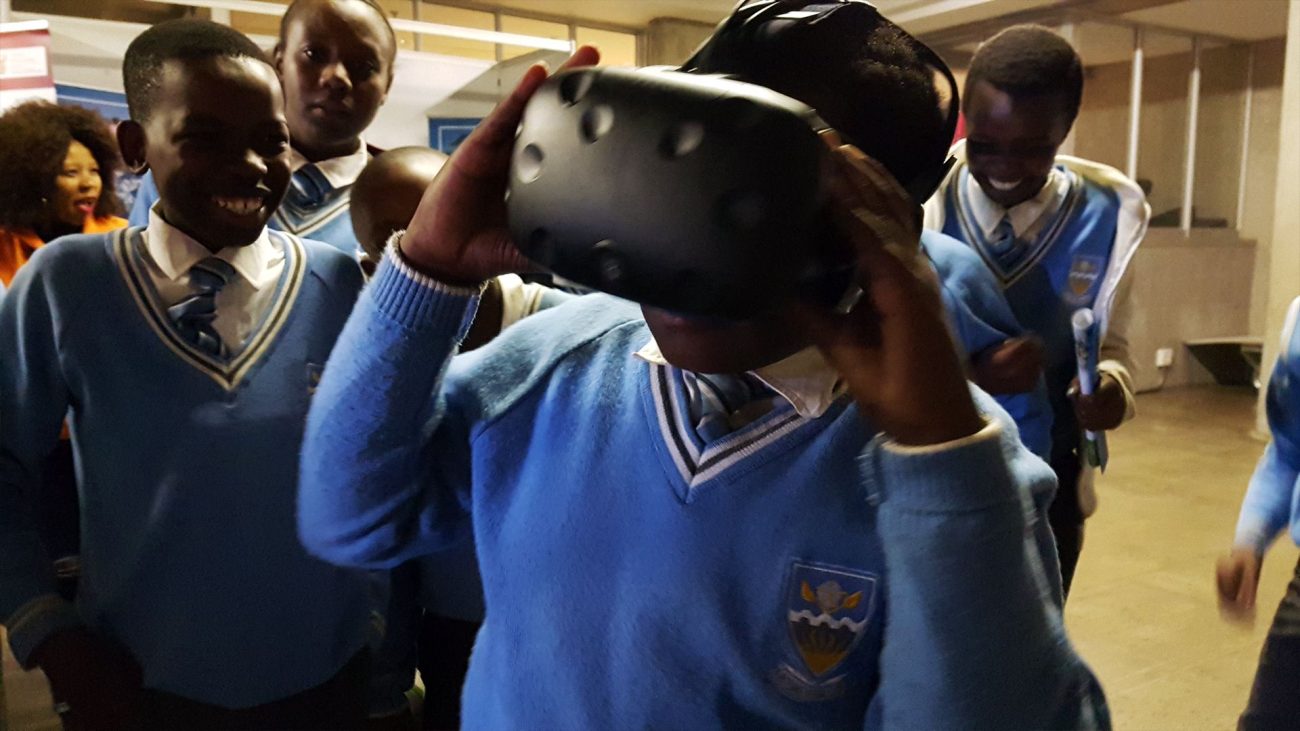
The integration of high-quality VR headsets and user-friendly software platforms has lowered barriers to entry. Devices like the Oculus Quest and HTC Vive offer immersive experiences without requiring extensive setups. Software tools enable educators to create custom VR content tailored to their lesson plans, making the technology more adaptable to various educational needs.
These advancements are like opening a new chapter in a textbook—providing fresh content and perspectives that enrich the learning journey. They empower educators to transcend traditional teaching methods and engage students in ways previously unimaginable.
Global Adoption and Pioneering Institutions
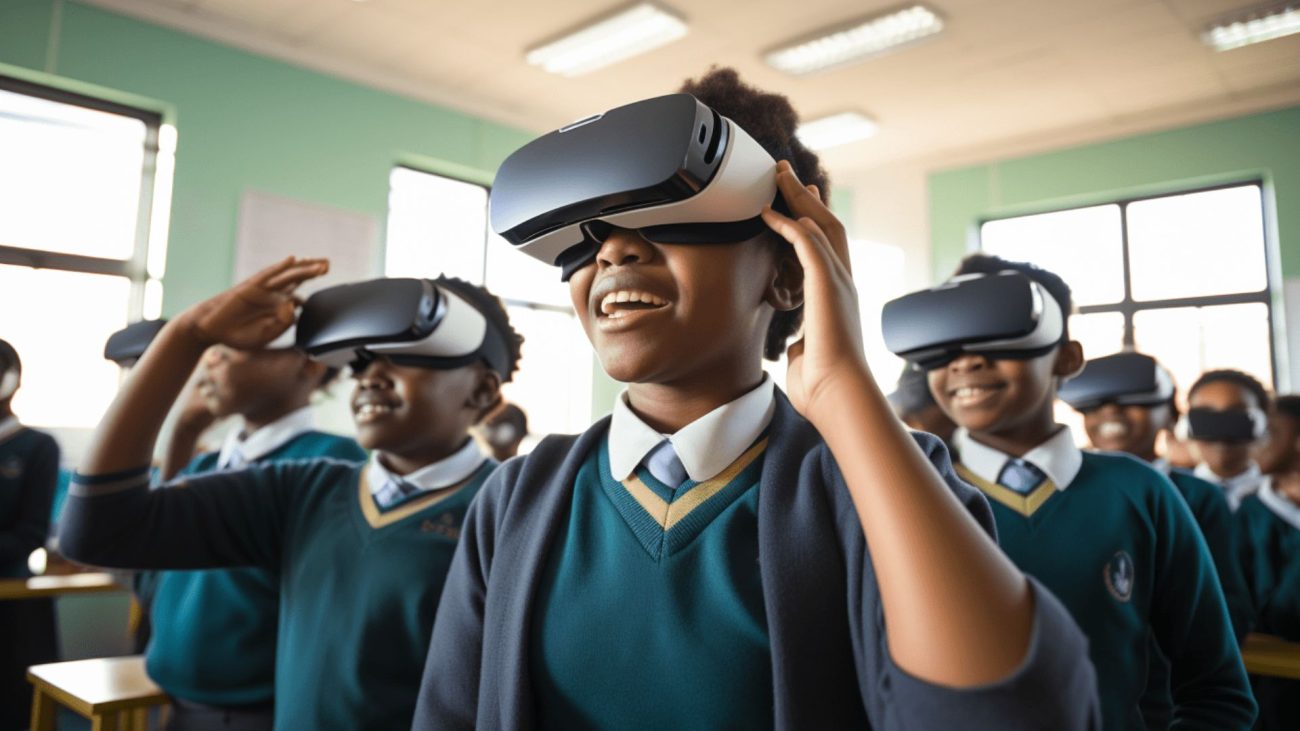
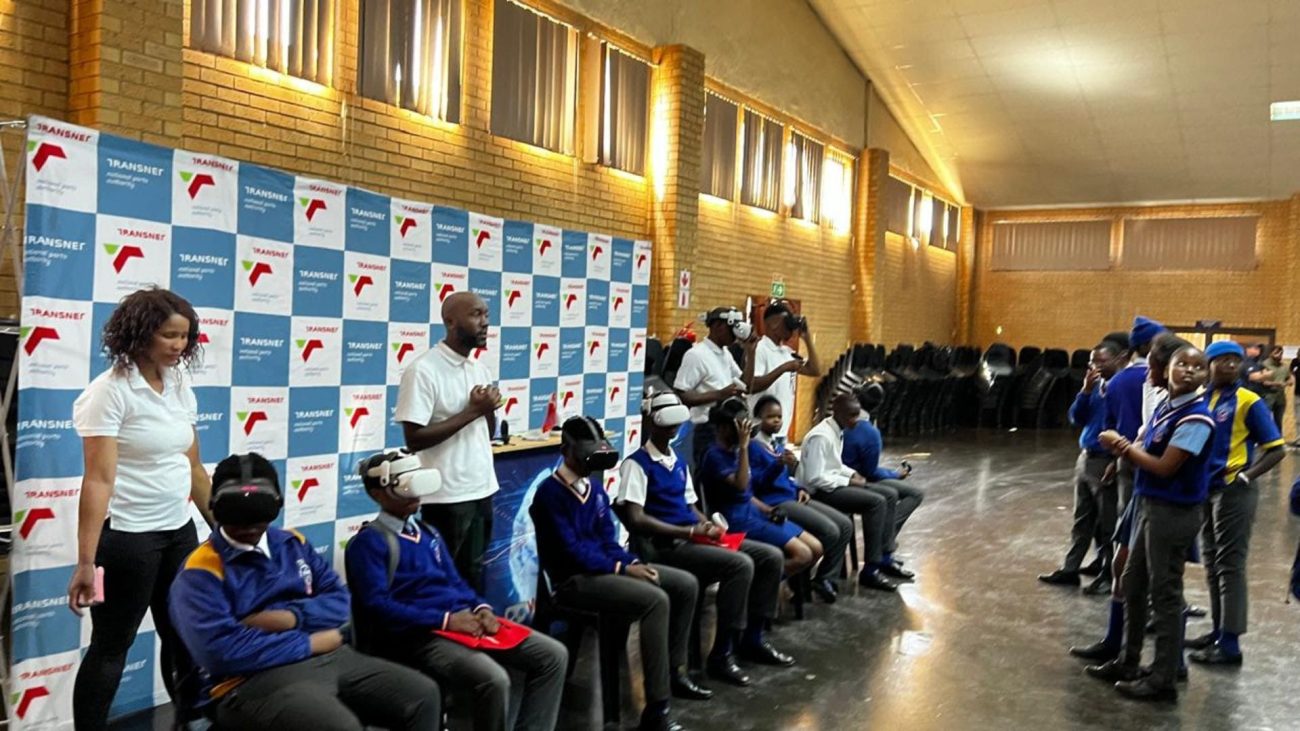
Around the world, schools and universities are pioneering the use of VR in education. Institutions are investing in VR labs and incorporating virtual experiences into their curricula across disciplines such as science, history, and the arts. This global movement signifies a collective recognition of VR’s potential to enhance educational outcomes.
Innovative Applications of VR in Education
Virtual Field Trips: Exploring the Inaccessible
One of the most impactful applications of VR is the ability to take students on virtual field trips. These experiences allow learners to visit historical sites, natural wonders, and even other planets without leaving the classroom. For example, students can explore ancient Egyptian pyramids or dive into the Great Barrier Reef, gaining insights that textbooks alone cannot provide.
This is akin to unlocking a teleportation device, offering unprecedented access to the world’s treasures. It enriches the educational experience by providing context and immersion that deepen understanding and retention.
Simulated Training in Medicine and Aviation
In fields like medicine and aviation, VR provides safe environments for students to practice complex and high-stakes procedures. Medical students can perform virtual surgeries, honing their skills without the risks associated with real-life operations. Similarly, aspiring pilots can train in virtual cockpits, experiencing realistic flight scenarios.
These simulations are comparable to flight simulators used by professional pilots, offering hands-on experience that bridges the gap between theory and practice. They build confidence and competence, essential qualities in professions where precision is critical.
Collaborative Learning and Problem-Solving
VR enables collaborative learning experiences where students can work together in virtual spaces to solve problems or complete projects. This fosters teamwork and communication skills, essential in today’s interconnected world. For instance, engineering students can collaborate on virtual prototypes, testing and refining designs in real-time.
This collaborative aspect transforms learning into a social experience, much like group projects but enhanced by the ability to interact with virtual models and environments. It prepares students for the collaborative nature of modern workplaces.
Case Studies of VR Implementation in Universities
Innovative Tools Enhancing Course Content
Several universities have developed tools and platforms to integrate VR into their teaching. For example, educators are using VR authoring tools to create customized virtual experiences aligned with their course objectives. These tools allow for the incorporation of data, videos, and interactive elements, making lessons more engaging.
This approach is similar to an artist having a new set of paints and brushes, enabling the creation of unique and vibrant works that capture students’ imaginations. It empowers educators to tailor content to their specific teaching goals.
Expanding Access to Specialized Learning Environments
By utilizing VR, universities can provide access to environments that are otherwise difficult or impossible to experience firsthand. Fields such as astrobiology and geology benefit from virtual simulations of distant planets or deep-earth environments. Students gain practical insights without the constraints of physical accessibility.
This expansion is like opening doors to hidden worlds, offering educational opportunities beyond traditional limitations. It democratizes access to specialized knowledge and experiences.
Enhancing Healthcare Education with Simulations
Healthcare education has seen significant benefits from VR integration. Simulated patients and medical scenarios allow students to practice diagnostic and procedural skills. This hands-on approach enhances learning outcomes and better prepares students for real-world clinical settings.
These simulations act as a bridge between classroom learning and clinical practice, much like a dress rehearsal before a performance. They provide a safe space for students to make mistakes and learn from them without real-world consequences.
The Impact of VR on Student Engagement and Learning Outcomes
Increased Motivation and Interest
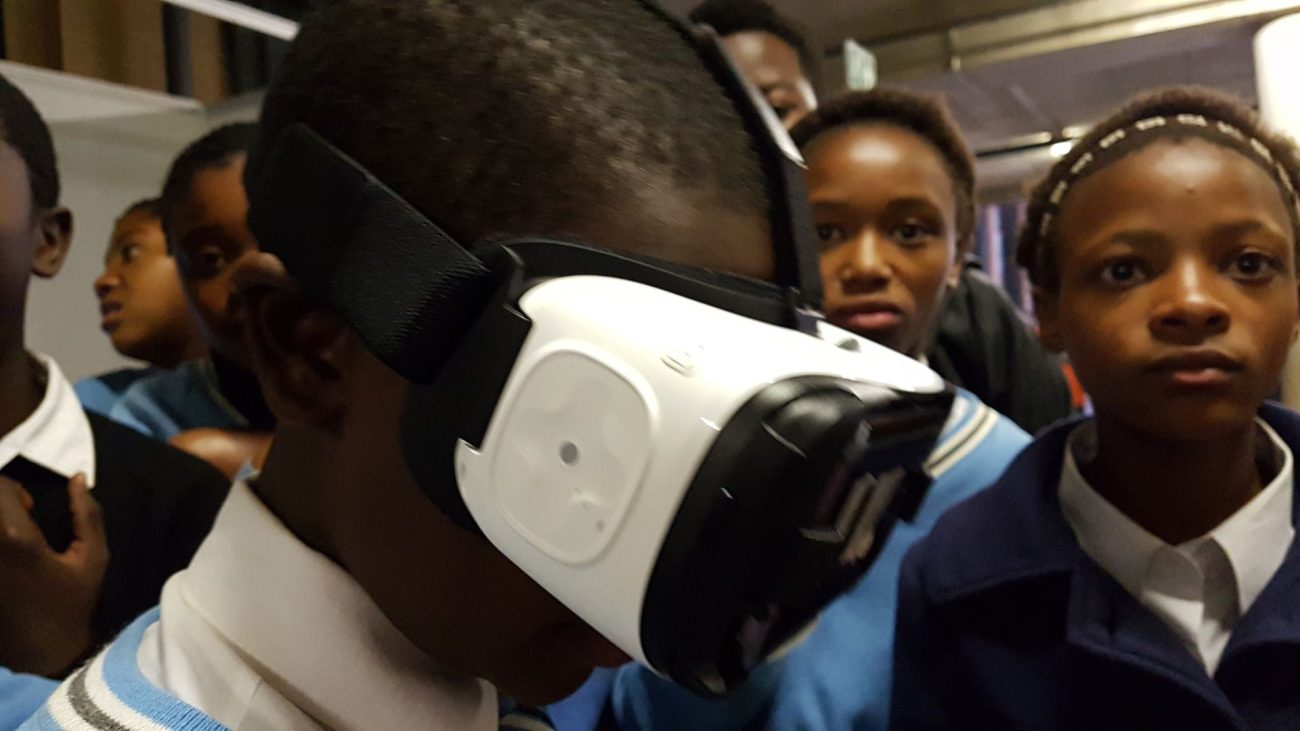
VR’s immersive nature captures students’ attention and increases their motivation to learn. Interactive experiences make learning more enjoyable and can spark a lifelong interest in the subject matter. This heightened engagement often leads to better academic performance.
It’s akin to turning a black-and-white sketch into a colorful painting—adding depth and vibrancy that make the subject more appealing and memorable.
Improved Retention and Understanding
Studies have shown that immersive learning can improve information retention and comprehension. By experiencing concepts firsthand, students develop a deeper understanding that goes beyond rote memorization. VR allows learners to visualize abstract concepts, making them more tangible.
This effect is similar to learning a language by immersion rather than through textbooks alone. The practical application reinforces knowledge and enhances mastery.
Development of Practical Skills
VR provides opportunities to develop practical skills in a controlled environment. Whether it’s performing a surgical procedure or conducting a virtual experiment, students can apply theoretical knowledge in practice. This experiential learning builds competence and confidence.
It’s like training wheels on a bicycle, offering support while the learner develops the necessary skills to ride independently.
Challenges and Considerations in Implementing VR
Technical and Financial Barriers
Implementing VR in education comes with challenges, including the cost of equipment and the need for technical support. Not all institutions have the resources to invest in VR technology, which can lead to disparities in access.
This challenge is comparable to the digital divide seen with computer and internet access, highlighting the need for solutions that make VR more accessible to all educational institutions.
Curriculum Integration and Educator Training
Effectively integrating VR into the curriculum requires careful planning and educator training. Teachers must learn how to use the technology and adapt their teaching methods accordingly. Without proper integration, VR can become a distraction rather than a beneficial tool.
This consideration is like introducing a new instrument into an orchestra; it requires coordination and practice to ensure it harmonizes with existing elements.
Addressing Health and Safety Concerns
Extended use of VR can lead to issues such as eye strain or motion sickness for some users. It’s important to establish guidelines for safe use, including time limits and proper equipment maintenance.
These concerns are similar to ensuring ergonomics in computer use, emphasizing the need for awareness and preventive measures to safeguard students’ well-being.
Frequently Asked Questions
How is VR different from traditional teaching methods?
VR provides immersive, interactive experiences that allow students to engage with content in a multisensory way. Unlike traditional methods that may rely on lectures or textbooks, VR enables experiential learning, which can enhance understanding and retention.
What subjects benefit most from VR integration?
While VR can enhance learning in many subjects, fields like science, technology, engineering, mathematics (STEM), medicine, and history see significant benefits. VR allows for visualization of complex concepts and exploration of environments that are otherwise inaccessible.
Is VR technology affordable for all educational institutions?
The cost of VR technology has been decreasing, making it more accessible. However, financial barriers still exist, especially for smaller institutions or those in underfunded regions. Grants, partnerships, and scalable solutions are ways to mitigate costs.
What are the risks associated with using VR in education?
Potential risks include health concerns like eye strain or motion sickness, as well as the possibility of technology becoming a distraction. Proper guidelines, educator training, and moderation can help mitigate these risks.
How can educators get started with implementing VR?
Educators can start by exploring affordable VR platforms and resources, attending professional development workshops, and collaborating with tech specialists. Starting with pilot programs can help integrate VR gradually and effectively.