
Shaping the Next Generation of Interactive Learning
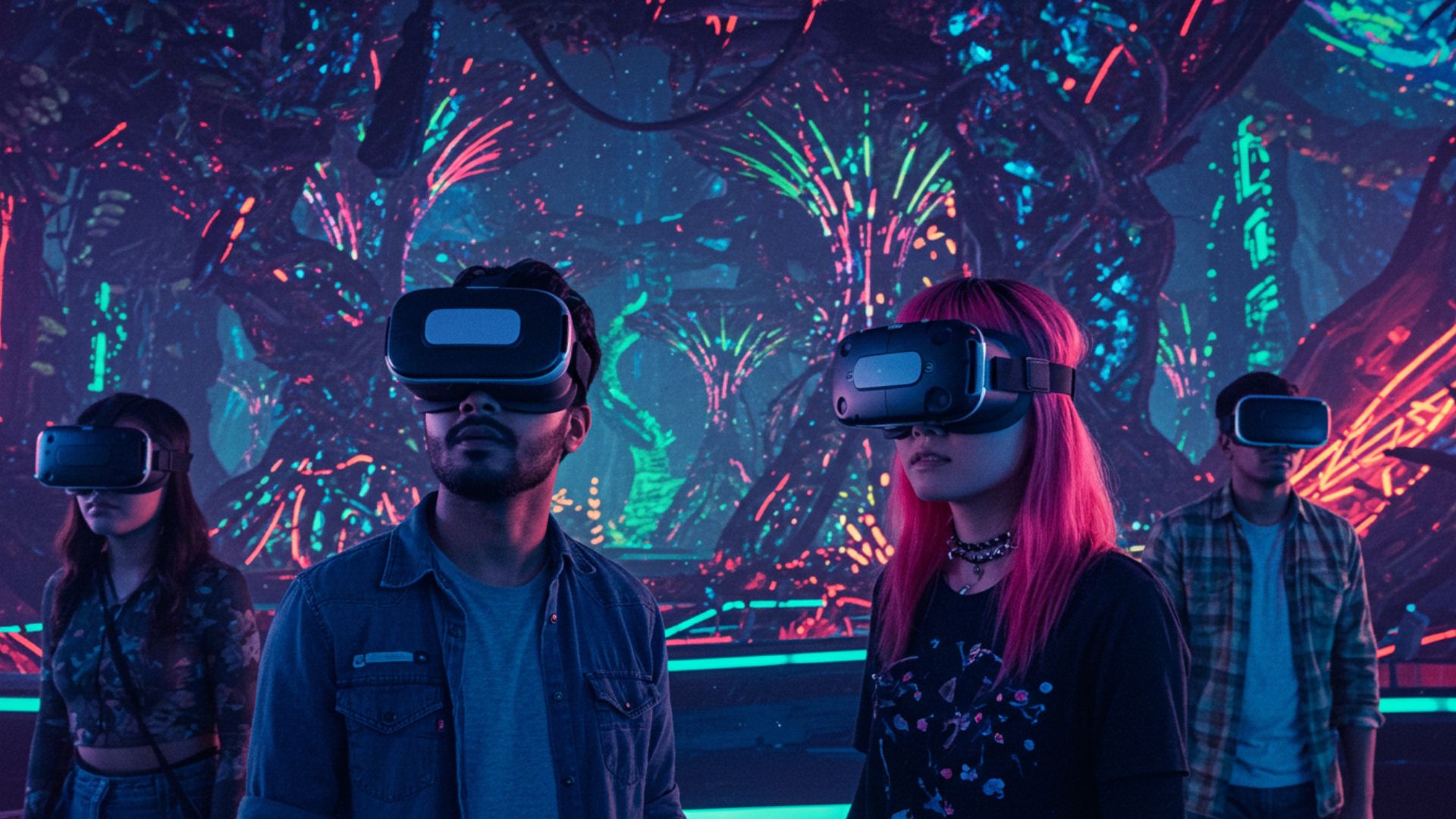
Envision placing a headset over your eyes and instantly finding yourself in a simulated lab, where you explore chemical theories by combining different compounds in real time. Virtual Reality (VR) education invigorates lessons with vivid details, activating multiple senses and turning theoretical notions into immediate, hands-on experiences. From investigating lost civilizations to practicing advanced medical interventions, VR merges study with adventure, amplifying both engagement and the likelihood that newly acquired knowledge will stick.
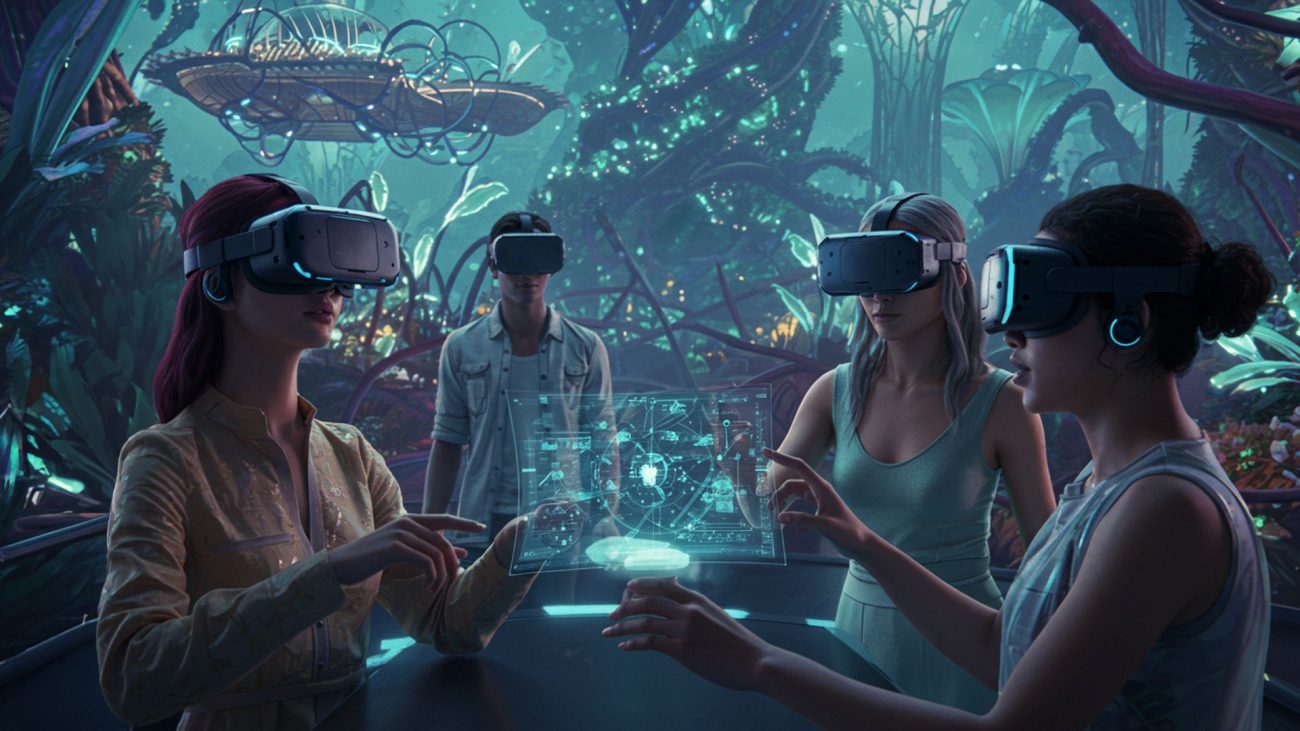
At its core, this educational model is all about participation rather than passive absorption. Learners can move virtual objects, collaborate with classmates in digital forums, and see the effects of their actions straight away. This immersive methodology reaches various learning preferences, giving students an active role that is difficult to replicate in standard classrooms. The following sections delve into how VR reshapes today’s teaching approaches, spans physical distances, and enriches learning possibilities for diverse audiences around the globe.
Immersive Classroom Experiences
Engaging Visuals and Interactive Lessons
Picture a classroom where marine biology comes alive as learners virtually swim with sea turtles or hover near coral reefs packed with colorful fish. VR settings appeal to our love for visual narratives, making key concepts accessible through animated three-dimensional displays and responsive elements. By tapping or relocating these digital objects, learners shift from rote memorization toward meaningful, memorable interactions that stay with them long after class ends.
Rather than relying on still images from a textbook, interactive lessons invite students to test various variables and witness results firsthand. A virtual volcano, for instance, can be toggled between different eruption types by adjusting certain parameters. The swift, observable changes spark curiosity and strengthen comprehension. As the on-screen visuals transform in tandem with student inputs, learners immerse themselves in a dynamic world of cause and effect that transcends conventional study methods.
Emotional Impact on Learners
Stepping into a recreated historical event—like exploring the crypts of ancient Egypt—carries an emotional weight rarely achieved through slideshows or spoken lectures. This immersive depth can evoke surprise, empathy, or awe, all of which help carve robust mental links that make related facts easier to recall. Many learners say they become truly invested in these virtual scenarios, which builds the momentum for deeper exploration and thoughtful discussions.
Emotions also shape how groups interact. Empathy-building exercises in VR let individuals vicariously experience someone else’s perspective, be it the aftermath of a natural disaster or the daily routine of a past civilization. By generating such firsthand emotional experiences, students are nudged toward more critical thinking and compassion for others’ viewpoints. This powerful blend of immersion and introspection nudges education beyond mere data acquisition, prompting learners to recognize the very human stories underpinning every academic subject.
Personalized Curriculum Paths
VR modules can quickly evaluate each student’s mastery, adapting on the spot to meet specific strengths or address weaker areas. This tailored approach ensures adept learners aren’t constrained by uniform pacing, while those needing more reinforcement can circle back to revisit foundational elements. By tracking performance indicators like reaction times or the duration spent on challenging tasks, the system calibrates each lesson to fit a learner’s natural progression.
Instead of a universal program, VR transforms education into a uniquely guided adventure. Take geometry: a struggling student might manipulate three-dimensional shapes repeatedly to visualize how surfaces and angles align. Meanwhile, a more advanced peer can focus on complex spatial reasoning challenges or venture into specialized math integrations. By pivoting lessons in real time, VR delivers an adaptive learning journey that respects each person’s rhythm and method of comprehension.
Practical Skill Training in VR
Simulated Laboratory Environments
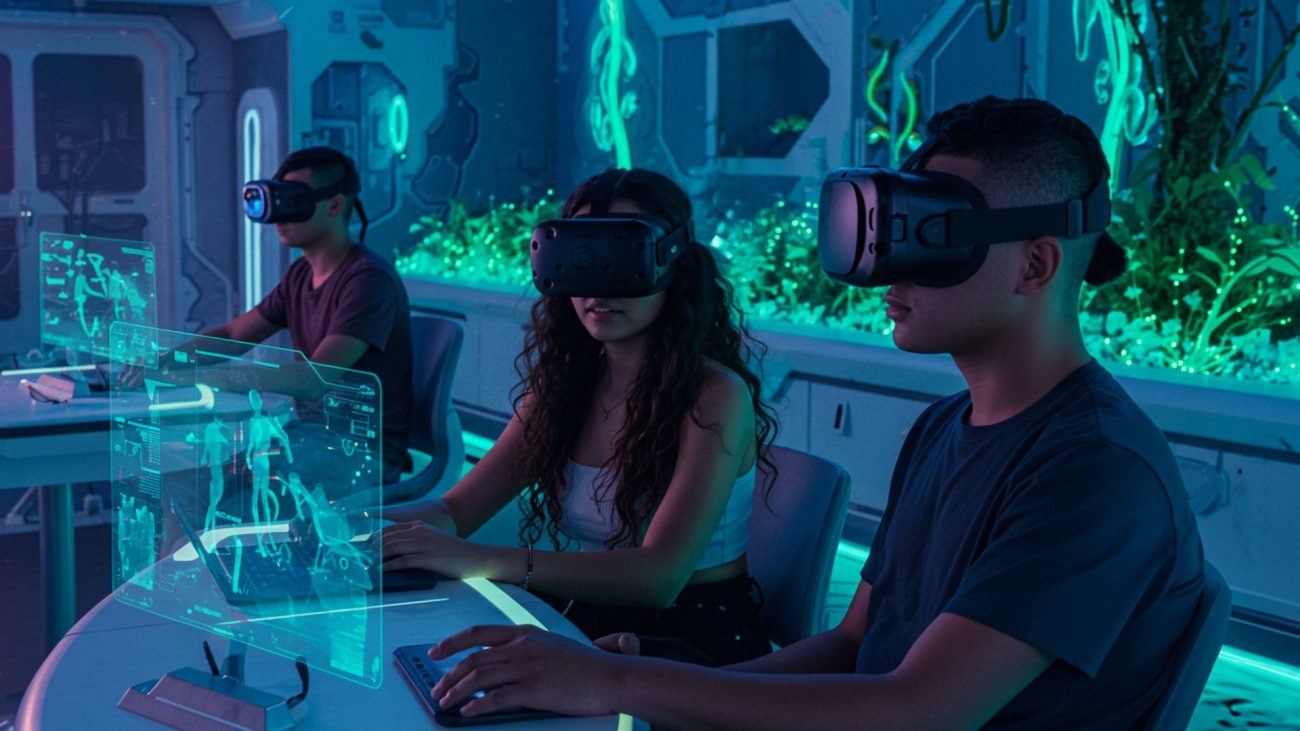
Putting on a VR headset can transport students into a virtual chemistry lab, letting them handle chemicals without facing real-world hazards, all while observing precise reactions. Fields like physics or biology gain immense benefits from these digital labs, freeing learners from budgetary and equipment constraints so they can test theories more thoroughly. Risk factors like broken glassware or chemical burns vanish, granting the freedom to experiment with full focus on the science itself.
This limitless environment also invites repeated practice. Students can run the same experiment multiple times, honing techniques and adjusting variables until they grasp every nuance. The result is a marked increase in confidence and a more refined sense of procedural accuracy. When they finally set foot in an actual lab, they bring a sound grounding in core principles, bolstered by the countless trials they’ve conducted in a virtual, low-risk arena.
Medical and Surgical Practice
Future surgeons can now perfect their technique by rehearsing complex procedures in VR, wielding virtual scalpels and seeing highly realistic patient responses. This hands-on experience surpasses reading textbook chapters, as participants engage with detailed 3D models and refine their hand-eye coordination in a controlled digital environment. Errors prompt instantaneous, no-risk feedback, allowing medical trainees to practice until they reach mastery without endangering real patients.
These simulations also cultivate calmness under pressure. Surgeons in training can be confronted with hypothetical complications, forcing quick strategic shifts and on-the-spot decisions. This rigorous digital practice not only polishes physical dexterity but also sharpens mental preparedness, helping learners bridge the gap between theoretical understanding and live clinical scenarios. After countless runs in a virtual operating theater, students emerge with heightened skill sets and steady confidence.
Technical and Engineering Workshops
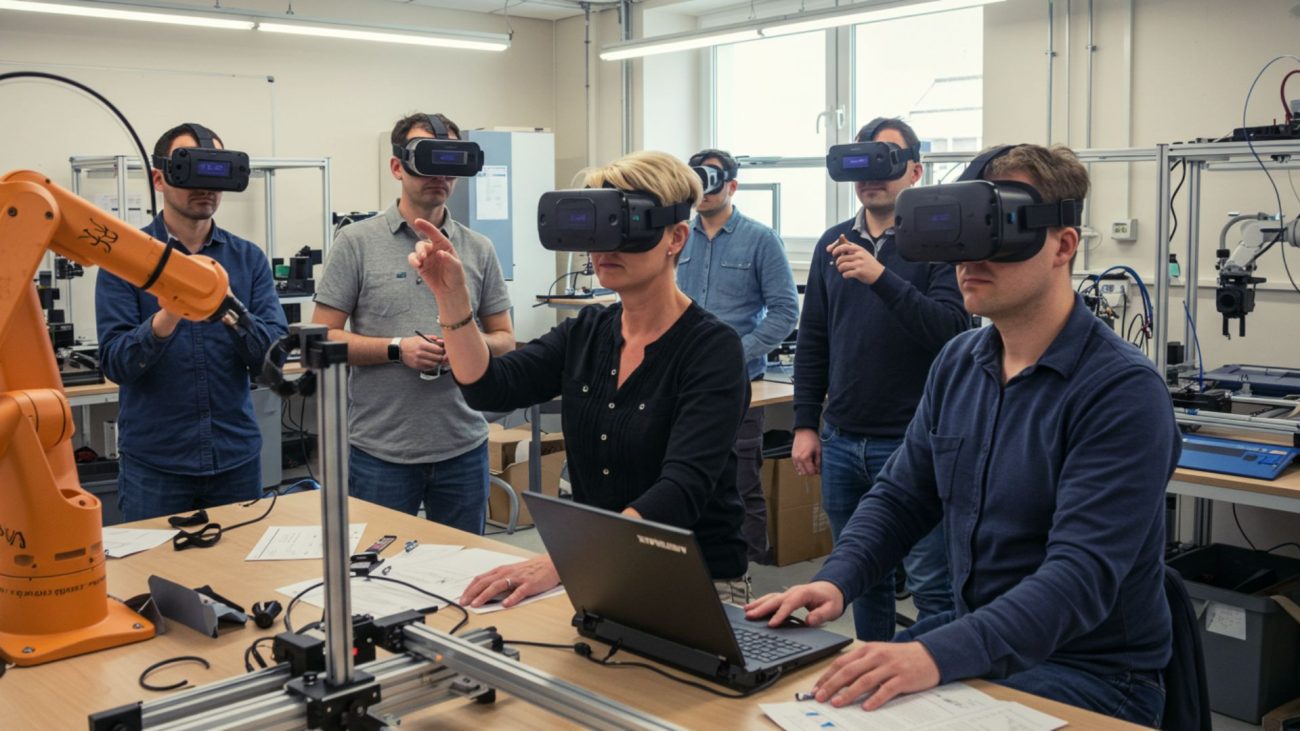
Aspiring engineers now have the option to assemble virtual circuits or craft mechanical designs within a fraction of the usual time and cost. VR workshops allow them to connect parts, run simulated durability tests, and even witness malfunctions in a space where resources are effectively unlimited. Whether it’s a blueprint for a bridge or a test run on an engine, every slip-up becomes a teaching tool instead of a costly mistake.
Because the simulations closely mimic real-world physics, learners watch how different design choices impact resilience, balance, or overall performance. They can pinpoint stress concentrations on beams or evaluate aerodynamic shifts on prototypes with just a few quick adjustments. Through this iterative cycle of tinkering and testing, students refine their comprehension of fundamental principles. These digital sessions empower future innovators, removing the boundary of physical materials and opening room for deeper, more inventive exploration.
Overcoming Geographical Barriers
Virtual Field Trips
A small, remote school can suddenly visit the Smithsonian in Washington, D.C., or glide through the Amazon rainforest, all without leaving their local campus. Virtual field trips bring experiences once limited by distance or expense into the hands of any curious learner. Museums become explorable from every angle, enabling students to zoom in on artifacts or engage with guided, interactive narratives that simulate the real-life setting.
Such excursions spark curiosity and improve cultural understanding. Lessons in history or art transform as learners observe relics in their natural context, rather than passively reading about them. Especially for underfunded areas with fewer resources, VR acts as a critical leveler, granting universal access to global wonders and giving students an unparalleled lens into the world’s treasures—no passport required.
Multi-Cultural Exchange Programs
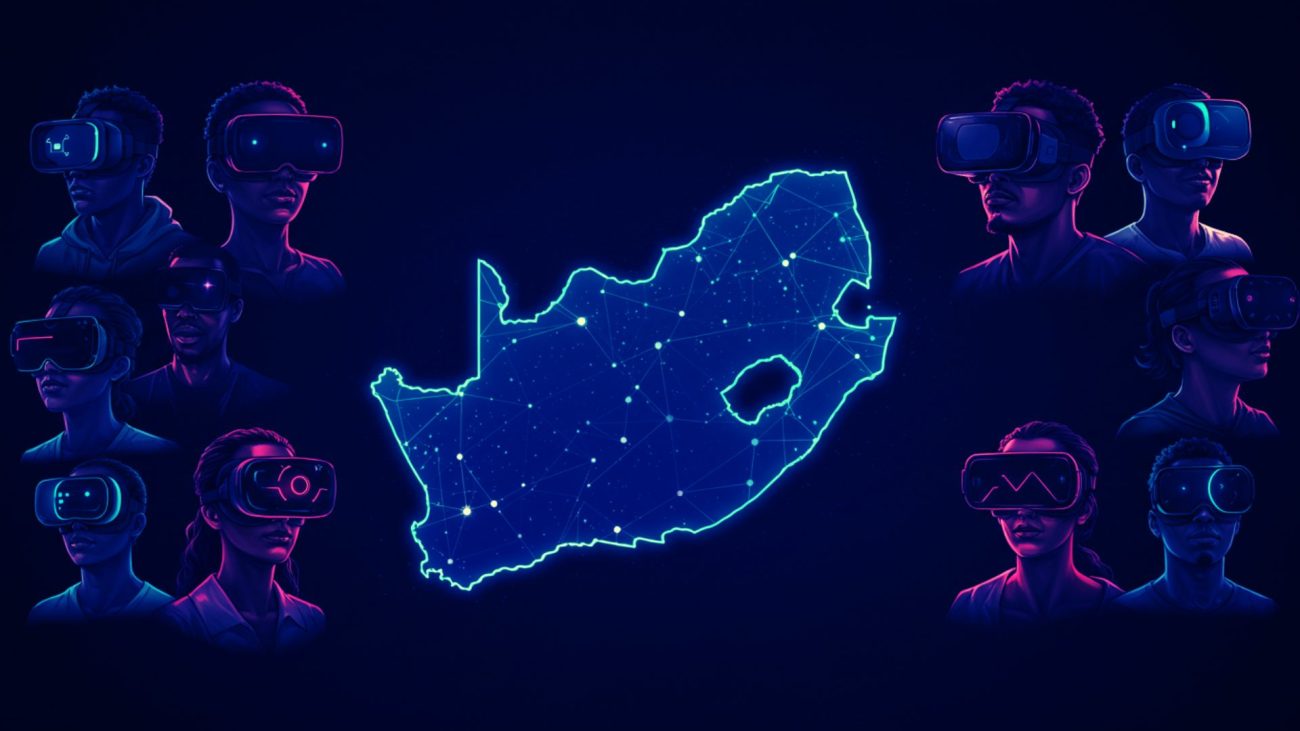
Long-standing traditions of cultural exchange gain a new twist with VR. Students from different parts of the world can assemble in a shared digital realm, touring each other’s virtual environments. This goes beyond language practice: it promotes friendships, invites creative problem-solving, and challenges participants to understand perspectives from beyond their daily routines. It’s similar to foreign exchange, but minus the logistical hurdles of travel.
Projects in these virtual exchanges may include a joint presentation on ecological issues, where data from each region is combined into a shared immersive gallery. Students can then examine each other’s solutions or climate conditions in real time. This form of real engagement elevates global awareness beyond what video calls can typically achieve. Learners gain a real sense of empathy and interconnectedness that carries over into broader studies and personal growth.
Equal Access to Quality Education
In many parts of the world, educational constraints range from teacher shortages to outdated materials and insufficient facilities. VR helps level these disparities by offering modules that introduce interactive, high-caliber instruction regardless of location. A small community lacking dedicated lab space can still immerse students in complex science experiments that replicate professional lab standards.
Moreover, VR tailors to varied accessibility requirements. Learners with mobility issues or visual impairments can be supported by customized interfaces and adaptive simulations that address their specific needs. This inclusive framework ensures that no one is sidelined because of physical constraints or resource scarcity. By delivering consistent, immersive learning experiences, VR paves a more equitable path for academic success, bridging socioeconomic divides and ensuring every learner has a fair chance.
Collaboration and Group Projects
Cooperative Problem-Solving
Visualize a collective of students scattered across continents but working together in a single digital space to solve a tricky mathematics puzzle. Each participant manipulates geometric figures in real time, while exchanging strategies and feedback via embedded chat features. This synergy fosters deeper insight, as everyone contributes unique viewpoints or cultural angles that enrich the collective output.
Group tasks within VR can designate varied roles—one student might handle data inputs, another might manage workflow, and yet another might organize findings. This mirrors realistic work environments, cultivating valuable communication and coordination talents. By collaborating in a shared virtual realm, students forge bonds that can surpass ordinary classroom group work. The experience not only boosts academic performance but also enhances soft skills that hold real-world value well beyond school.
Team-Building in VR Worlds
Beyond curriculum-based tasks, virtual teamwork exercises cultivate closer ties by submerging classmates in playful, interactive scenarios. They might, for example, unite to protect a digital fortress, with each team member focusing on a specific goal such as resource collection or defensive strategy. These imaginative challenges call for clear dialogue, cooperation, and adaptive thinking. Students who may have felt overshadowed in traditional group work often flourish in these vibrant, visually appealing settings.
The option to use personalized avatars can lower inhibitions and encourage students who are hesitant about public speaking to get more involved. Over time, bolstered self-assurance within VR translates into improved collaboration and leadership skills in real environments. By leveraging the fun, game-like aspects of these simulations, educators promote a supportive team spirit that keeps learners motivated while reinforcing crucial interpersonal and academic objectives.
Instructor and Peer Feedback
Traditionally, feedback might come days after a test, reducing its immediacy and impact. VR, however, enables near-instant corrections, notifications, or suggestions as a user performs a task. In a simulated carpentry project, for instance, the program might highlight improper tool usage right away. Instructors can drop in digitally to coach students in real time, sharpening their technique and solidifying new knowledge while the lesson is fresh.
Peer-to-peer input becomes more natural too. Classmates can watch each other’s actions from multiple vantage points, offering tips or spotting missteps as they happen. This fosters an environment of positive critique and supportive communication. Students refine their ability to both give and receive feedback, making learning more efficient and collaborative. By embedding immediate, helpful insights throughout the VR experience, the process of mastery becomes smoother and more encouraging for everyone involved.
Challenges and Future Trends in VR Education
Technological Hurdles
Despite VR’s exciting possibilities, schools frequently bump into technological obstacles. Hardware outlays can be steep, factoring in the cost of headsets, compatible devices, and required software. Stable internet connectivity is crucial to ensure an uninterrupted, lag-free experience. On top of that, some users face motion sickness or other physical discomfort when interacting with headsets, indicating the need for ongoing refinement in optical tracking and ergonomic design.
Software accessibility is another piece of the puzzle. Platforms must work across various devices and remain straightforward enough for educators without advanced IT backgrounds. School systems with scant technical support might find frequent updates and troubleshooting overwhelming. These challenges underline the importance of standardizing VR tools and reducing complexity, paving a path for widespread classroom adoption that is both cost-effective and user-friendly.
Ethical and Privacy Concerns
VR systems capture diverse data, including users’ physical movements, eye positions, or stress levels. This can yield insights into a learner’s thought process but also raises intricate questions about data protection and possible misuse. Without solid policies, such highly personal details could be mishandled or exploited for biased judgments. Collaboration among tech developers, lawmakers, and educational institutions is essential to regulate how sensitive information is gathered, stored, and deployed.
There are additional health considerations, particularly for younger audiences who might be susceptible to eye strain or overstimulation from extended VR sessions. Content must be crafted to uphold safety, with guidelines regarding session length and emotional appropriateness. Striking the right balance between realism and protection ensures that VR remains a beneficial tool, enriching learners’ perspectives while also guarding their well-being and personal information.
Vision for the Next Decade
As VR headsets become more portable, affordable, and streamlined—potentially resembling everyday glasses—immersive education will evolve. Future hardware advances will likely include more advanced haptics, allowing learners to feel the textures and heft of simulated items for a heightened sense of presence. Features like gaze detection and speech interpretation could adapt lessons on the fly, removing barriers between curiosity and experiential discovery.
Classrooms may also merge physical and digital realms seamlessly, with VR terminals sitting alongside standard desks and projectors. Globalized coursework might become routine, uniting students from multiple continents with specialized instructors. Over time, VR will likely move from a separate novelty to a staple learning medium, inspiring learners to think creatively, solve complex problems, and cultivate a mindset that sees education as an ever-evolving, interactive journey.
Frequently Asked Questions
How can VR accommodate different learning styles?
VR offers an array of interactive options—visual animations, tactile object manipulation, and auditory narration—which enable educators to mix and match teaching approaches. By presenting information in multiple formats simultaneously, VR caters to visual, auditory, and kinesthetic learners alike, ensuring each student can focus on the modality that resonates most strongly.
Is specialized equipment necessary for schools to adopt VR?
High-performance headsets and powerful computers deliver the most immersive results, but more budget-friendly standalone devices are also available. Standalone headsets remove the burden of numerous external add-ons or extensive wiring. Although premium hardware provides superior quality, more modest setups still grant students exposure to core VR benefits.
Does VR learning risk reducing face-to-face social interaction?
On the contrary, many VR activities prioritize shared tasks and communication via virtual avatars, fostering social skills in a structured yet creative arena. Students learn to cooperate, share feedback, and support each other within these simulated worlds. When properly managed, VR supplements real-world interaction rather than replacing it.
How do educators measure progress in VR simulations?
Numerous VR platforms provide analytics that record actions, reaction times, and skill proficiency. Instructors can analyze these metrics to identify improvements or specific challenges. By blending these automated insights with personal observations, they build a comprehensive understanding of each student’s learning curve and can design targeted follow-up activities.
What are the cost implications of implementing VR in schools?
The initial outlay can be considerable, factoring in headsets, device compatibility, and staff training. However, schools may recoup some of these expenses over time by reducing physical field trip costs and limiting consumable materials in traditional labs. Grants, corporate sponsorships, or phased rollouts often help institutions adopt VR without straining available funds.